
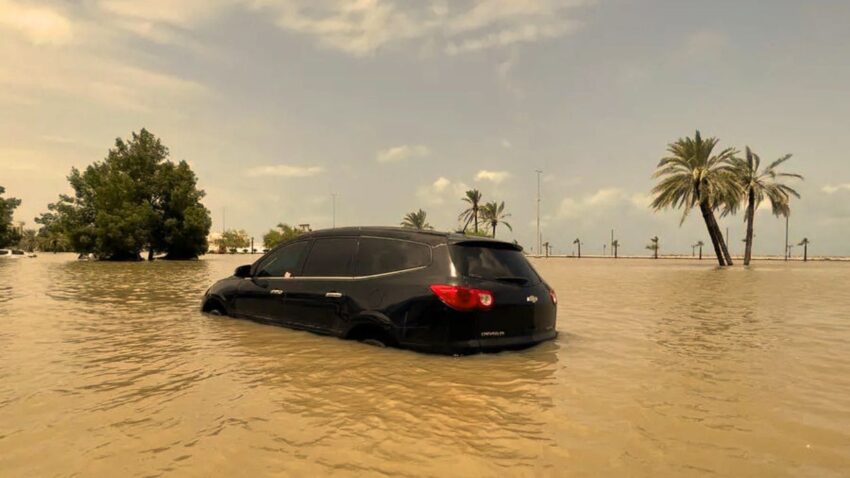
The sky turns grey, the wadi overflows, and suddenly your prized vehicle is submerged. It is a nightmare every driver in the Emirates dreads. If you are staring at a waterlogged engine right now, don’t panic. Acting fast is the secret to a successful car insurance claim for rain damage UAE. While the clouds might be heavy, the process to get your compensation doesn’t have to be.
How to claim car insurance for flood damage in UAE?
When the desert experiences heavy downpours in the UAE, the first rule is safety. Never try to start a car that has been sitting in deep water, as this can permanently kill the engine and lead to a rejected claim.
To start the process of claiming car insurance for flood damage in UAE, you must first secure a “To Whom It May Concern” (TWIMC) certificate. In Dubai, this is easily done via the Dubai Police App under “Natural Disasters.” This digital paper is your golden ticket; it proves to your provider that the climate, not your driving, caused the mess.
The Step-by-Step Filing Guide
Filing a car insurance claim in UAE requires following a specific sequence to make sure the surveyor approves your repairs:
- Document Everything: Snap clear photos of the car exactly where it stalled. Capture the water level against the tires and any interior dampness.
- Police Notification: Use the Sharjah, Abu Dhabi (Saaed), or Dubai Police apps to report the weather damage immediately.
- Contact Your Insurer: Reach out to your provider or broker. If you have comprehensive cover, they will move the car to an approved garage via recovery truck.
Remember, a car insurance claim for rain damage UAE is usually only successful if you have a comprehensive policy. Third-party insurance generally does not cover “Acts of God” like flash floods or hail.
Rain Damage Car Insurance UAE – Essential Documents and Inspection
Before the garage begins work, you must provide the documents required for car insurance claim UAE rain damage. Keep these digital copies ready on your phone to speed up the approval:
- The Police TWIMC Certificate or accident report.
- A copy of your Vehicle Registration Card (Mulkiya).
- The driver’s Emirates ID and a valid UAE Driving License.
Once you submit the document, a surveyor will inspect the vehicle. If the repair cost is higher than the car’s value, the insurer may declare it a total loss. If not, they will coordinate directly with the workshop to get you back on the road.
Conclusion
The digital infrastructure in the UAE makes flooded vehicle insurance paperwork manageable. Therefore, instead of ignoring minor leaks or damp smells after a storm, get a police report as early as possible.
By following the steps explained above, you can simplify insurance claims for rain-damaged vehicles in UAE. This way, you will get back on the road without paying for a new engine out of your own pocket. Stay calm, use the apps, and let your policy do the work.